
Connected systems improve coordination while multiplying the places where sensitive information can travel. A single episode of care may involve a hospital record, laboratory portal, pharmacy network, insurer, telehealth service, home monitor, and patient-selected application. Useful information can reach the right person faster, but every connection also creates another credential, copy, supplier, and possible failure.
Protecting privacy does not mean keeping records isolated. Safe care often requires appropriate sharing. The goal is purposeful flow: the right information reaches an authorized person for a legitimate need, while unrelated access and reuse are prevented, detected, and remedied.
Begin With The Care Journey
A privacy program should map information from the patient’s point of view. Where is it first collected? Which clinician needs it? Which organizations receive a copy? Does it cross into a consumer service? What is retained after the encounter? Mapping the journey exposes handoffs that an inventory of hospital databases alone can miss.
Each connection should have a named purpose and accountable owner. A health system should know which vendor hosts the service, which subcontractors can access information, where data is stored, and how incidents are reported. Contracts are important, but technical settings and real workflows must match the promised limits.
Privacy Rules Have Boundaries
In the United States, the HIPAA Privacy Rule establishes national protections for identifiable health information held by covered entities and their business associates while permitting uses needed for care and other defined purposes.[1] It is a central safeguard, not a universal wrapper around everything a person considers health data.
A symptom tracker, social platform, wellness app, or independently purchased device may operate outside a covered relationship. Data can therefore move from a regulated clinical environment to a service governed by different rules and policies. Patients deserve a clear notice at that boundary, especially when they direct a portal to connect with an outside application.
Services outside HIPAA are not necessarily unregulated. The Federal Trade Commission’s Health Breach Notification Rule applies to certain vendors of personal health records and related entities and requires notice after specified breaches.[2] Still, compliance categories should not substitute for plain explanations of who will use the information and why.
Use The Minimum Necessary Information
Connected care can encourage broad access because copying data is technically easy. Purpose should determine scope. A scheduling service may need contact details but not a complete clinical history. A specialist may need recent images and medication information, while an analytics contractor may need only a limited dataset.
Minimum necessary design reduces the impact of mistakes and breaches. It can be implemented through role-based permissions, limited application programming interfaces, segmented records, and short retention periods. Emergency access may be broader, but it should be time-limited, justified, and logged rather than converted into a permanent privilege.
Identity And Access Need More Than Passwords
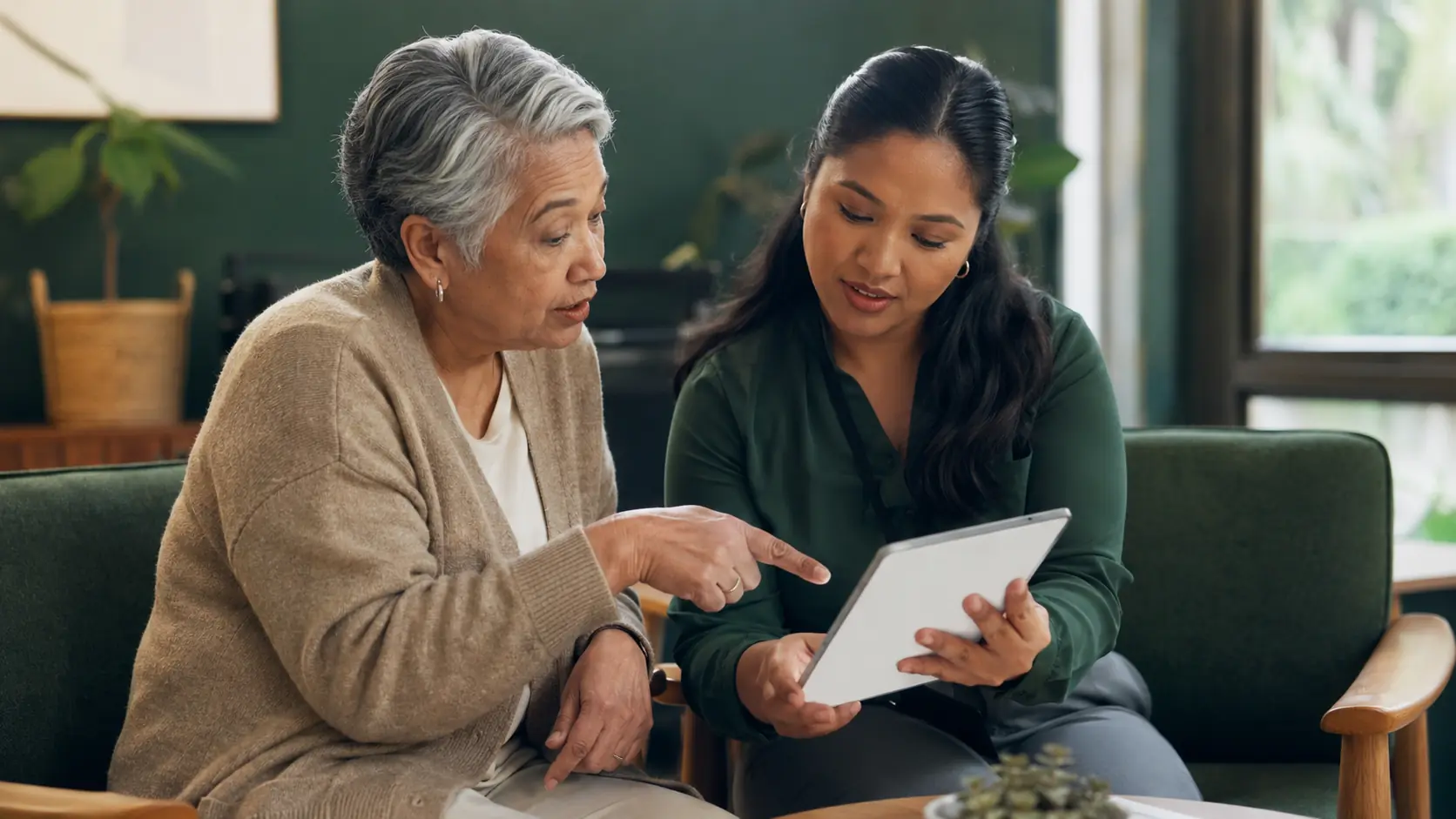
Patient portals and clinical systems should support strong authentication while remaining accessible to people with disabilities, limited digital skills, shared devices, or unreliable mobile service. Recovery processes require equal attention. An attacker who can easily reset an account can defeat otherwise strong login security.
Staff access should follow job responsibilities and end promptly when roles change. Logs should record who viewed, changed, exported, or transmitted sensitive information. Organizations should review unusual patterns, such as bulk downloads or access to records unrelated to a worker’s duties. Patients should have a practical way to report suspicious activity and obtain a timely response.
Patient Access Supports Both Privacy And Care
Privacy is not only a right to restrict others. It includes the patient’s ability to see and use information about themselves. The U.S. Department of Health and Human Services explains that individuals generally have a right under HIPAA to inspect or obtain copies of protected health information in a covered entity’s designated record set, with defined exceptions.[3]
Accessible records help people correct demographic errors, reconcile medications, prepare for another clinician, and detect unexpected disclosures. Interfaces should distinguish a clinical amendment from a patient comment, preserve necessary provenance, and explain what changed. Portability should use standardized formats when possible so a nominal right does not become a folder of unusable files.
Telehealth Extends Privacy Into Everyday Space
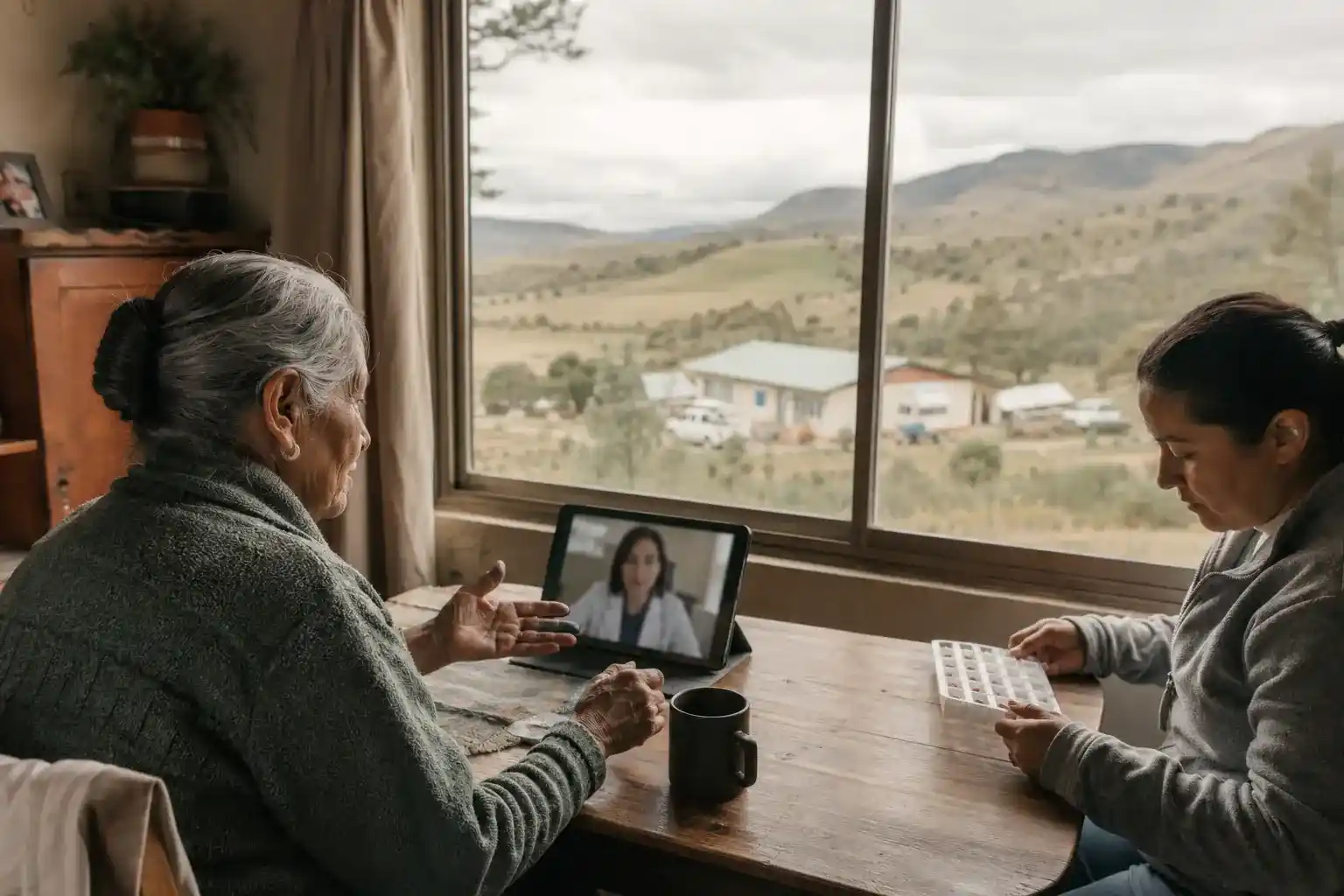
A remote consultation crosses the patient’s home, workplace, or public environment as well as the clinician’s system. The HHS Office for Civil Rights advises providers to conduct telehealth in private settings where possible, use reasonable safeguards, and explain privacy risks to patients.[4]
Clinicians can confirm who is present, offer alternatives to speaking sensitive information aloud, and avoid recording by default. Patients may need headphones, chat, a scheduled time with privacy, or an in-person option. A platform should disclose whether it stores video, audio, transcripts, or automated summaries and how those records enter the clinical chart.
Secondary Use Requires Visible Boundaries
Connected datasets can improve research, safety monitoring, and service planning. They can also support advertising, profiling, or model development far removed from the original encounter. A broad claim that data may be used to improve services tells a patient little about meaningful consequences.
Governance should separate care operations from optional research and commercial reuse, evaluate whether de-identification is sufficient, and limit onward transfer. Sensitive categories may justify additional review. When algorithms are trained on connected-care data, institutions should document provenance, permission, representativeness, performance, and whether resulting tools are shared back with the communities that supplied the data.
Incidents Demand Action And Candor
No connected system can promise zero risk. Preparedness determines whether a technical event becomes prolonged harm. Organizations need tested response roles, supplier contacts, backups, forensic logs, patient communication templates, and continuity procedures for clinical services.
Notification should be specific enough to help. It should identify affected information, likely consequences, protective steps, available support, and changes made after the incident. Systems should learn from near misses as well as reportable breaches. A culture that hides small failures loses the opportunity to prevent a larger one.
A Practical Privacy Standard
Connected-care programs should be able to demonstrate seven protections:
- Purpose: Every material collection, access, and transfer has a defined care or operational need.
- Boundaries: Patients can recognize when data moves outside a covered clinical relationship.
- Restraint: Systems minimize data, permissions, recipients, and retention.
- Access: Patients can obtain, understand, and seek correction of their information.
- Security: Identity, authentication, updates, logs, vendors, and recovery receive continuous attention.
- Choice: Optional secondary uses are distinct from the services needed for care.
- Accountability: People can report concerns, receive a response, and learn what follows an incident.
Connection Should Strengthen Trust
Patient privacy and coordinated care are not opposing goals. Both depend on accurate information reaching people who can use it responsibly. Excessive restriction can create clinical risk; uncontrolled circulation creates personal and institutional risk. Purpose, proportionality, and accountability provide the balance.
A trustworthy network makes its boundaries visible, gives patients practical rights, and treats every connection as a responsibility rather than merely a convenience. When privacy follows the care journey, digital coordination can support health without requiring people to surrender control of their lives.
Connected privacy depends on decisions made both inside and outside traditional clinical systems. Our article on who controls health device data examines consumer technologies, while remote care benefits and limitations follows privacy into virtual encounters.
Sources
- U.S. Department of Health and Human Services, The HIPAA Privacy Rule.
- U.S. Federal Trade Commission, Complying With The Health Breach Notification Rule.
- U.S. Department of Health and Human Services, Individuals’ Right Under HIPAA To Access Their Health Information.
- U.S. Department of Health and Human Services, Telehealth Privacy And Security Tips.